
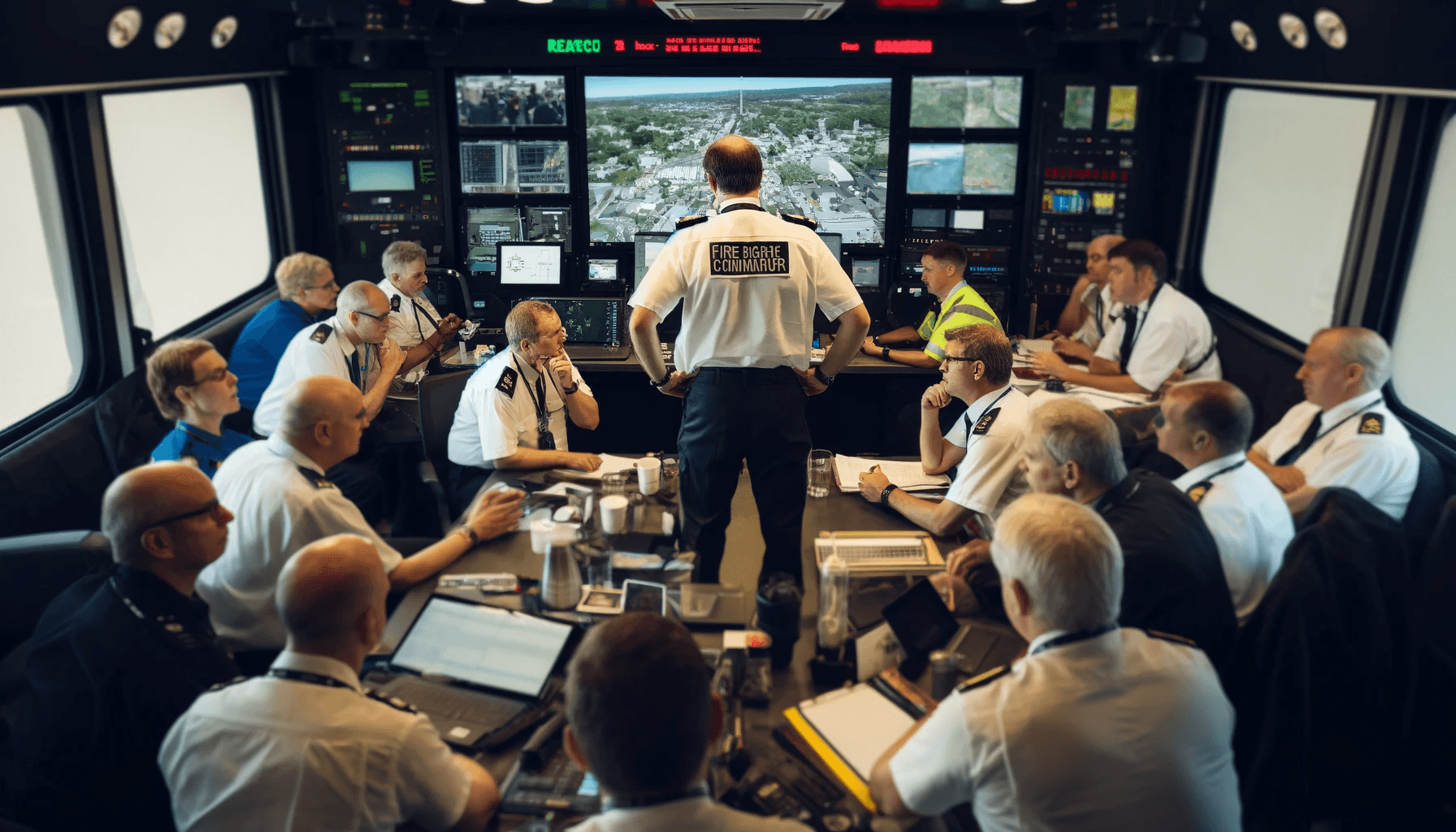
At the end of the course, the delegate will have:
Analysed the relevant factors when taking over command of an operational incident to generate a situational awareness of the incident.
Confirmed that the existing commander has taken appropriate action and determined the effectiveness of the current command team.
Confirmed the results of dynamic, analytical and personal risk assessments and carry out a risk-against-gain judgment.
Assumed command of the incident and taken action to meet the needs of an incident.
Matched resources to the needs of the incident. Established a communication structure both with other levels of command and other agencies.
Established functional sectors and delegated control of them to manage spans of control.
Evaluated the capabilities and limitations of the operational resources available.
Liaised with other agencies in line with JESIP working principles and models to ensure effective responses and develop a Common Operating Picture (COP).
Undertake an online prep course
Complete an online written assessment
Undertake a practical scenario simulation
Level 2 and Level 3 incident commanders who are undertaking an operation competence assessment at the strategic command level as part of a promotion selection process.
Ready to Get Started?
Contact us today to discuss how this training course can benefit your team and organization.
